
 +254 700 701 111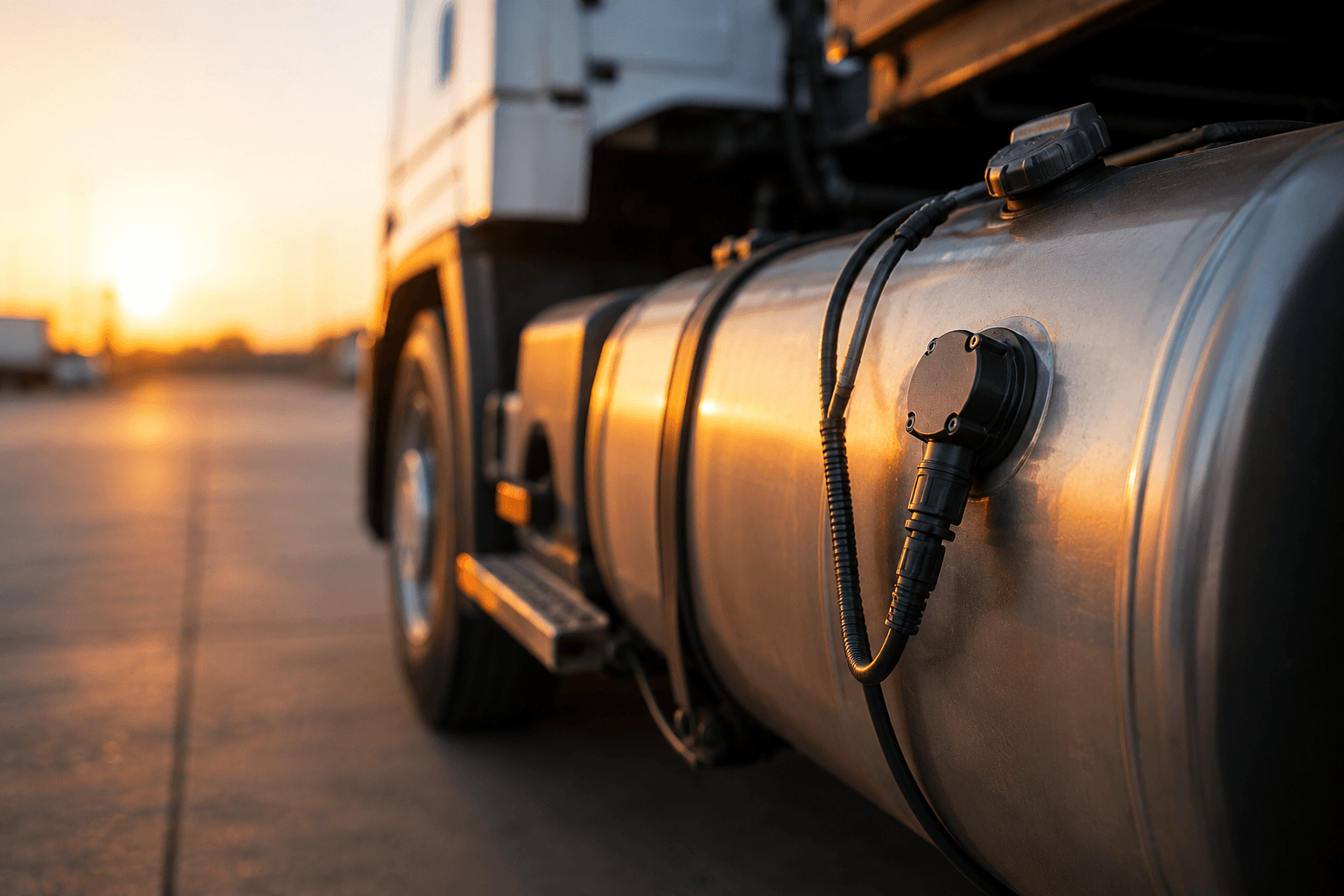
How Real-Time GPS Tracking Reduces Fuel Costs by 28%
A detailed look at how Nairobi-based logistics companies cut their fuel bills by more than a quarter within 60 days of deploying fleet tracking.
Fuel is typically the single largest line item in a fleet's operating budget, often accounting for 35-40% of total costs. For many Kenyan operators, a meaningful share of that spend never reaches the engine, disappearing instead through siphoning, unauthorised detours, and excessive idling.
Where the savings come from
Real-time GPS tracking gives fleet managers visibility they simply did not have before. By correlating vehicle movement with fuel-level data, sudden drops that don't match a refuelling event are flagged immediately, turning what used to be a monthly surprise into an instant alert.
- Faster detection of siphoning and unauthorised refuelling
- Route optimisation that cuts unnecessary kilometres
- Idling alerts that reduce wasted fuel during long stops
- Driver scorecards that encourage smoother, more efficient driving
What operators can expect
Within the first two months of deployment, most fleets see a meaningful drop in fuel spend simply from the visibility alone, before any operational changes are made. Combined with route planning and driver coaching, the savings compound month over month.